
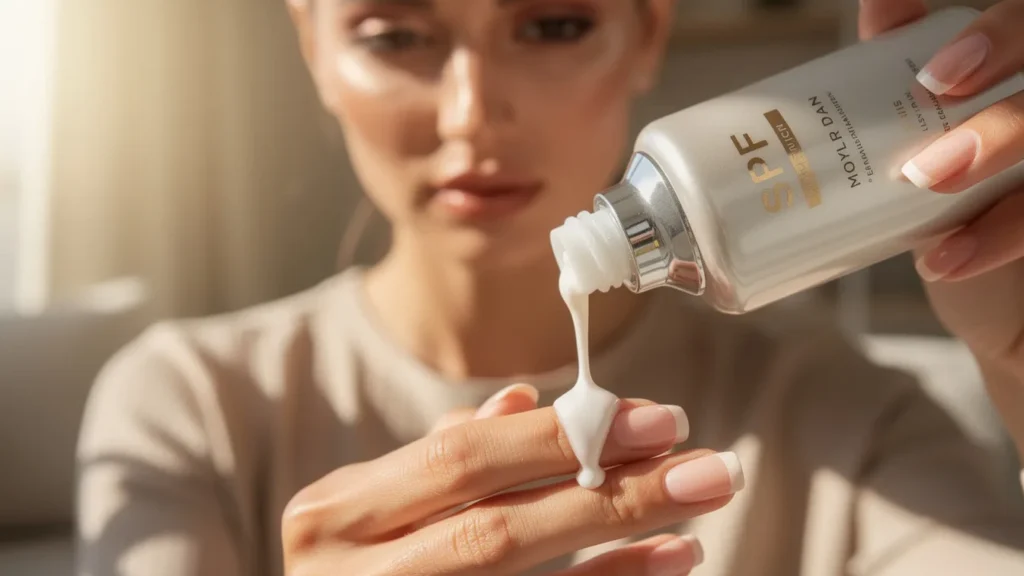

Picture this: You’re lounging at a sunny coast, the waves lapping at your feet, and as you reach for your sunscreen, you squirt out the typical “two-finger” amount. But are you really getting enough protection from those harsher UV levels we’re facing in 2026? Spoiler alert: the short answer is no. Those laid-back days should be a source of enjoyment, not a ticket to premature aging or worse. Let’s break this down and ensure we’re safeguarding our skin the right way!
Highlights
- ☀️ The *two-finger rule* is outdated; it’s time to rethink our *SPF application*.
- 📏 You’re likely using only about half the necessary amount of sunscreen.
- 👩🔬 Different sunscreen formulations require different application amounts for effective *UV protection*.
- 🔄 Regular reapplication is crucial for optimal *skin protection*.
Did you know that the optimal amount of sunscreen to use is 2mg per square cm of skin? That’s a lot more than your two-finger rule!
Understanding the Two-Finger Rule
Let’s start with the basics. The *two-finger rule* suggests you squeeze out two stripes of sunscreen on your pointer and middle finger. This is meant to cover about 2 square centimeters of your face. But is that really sufficient? Studies indicate that it isn’t nearly enough to protect against the soaring UV levels projected for 2026.
When I first learned this, I laughed because it made sense. I mean, how often have I actually measured my sunscreen in milligrams? Who carries a scale to the beach? Yet, applying that tiny amount is a recipe for disaster. At a minimum, you should be applying nearly three fingers’ worth to effectively shield your face, including your ears and neck.
The Science Behind Sunscreen Application
Experts recommend using 2mg of sunscreen per square centimeter of skin. Now, let’s get real. How are we supposed to measure that accurately? Yes, there’s something called a sunscreen spoon, but let’s be honest—most of us don’t have one. So, how do we navigate this? Here’s what I’ve learned:
- 🖐️ For thick sunscreens, aim for the classic two-finger method.
- 💧 For more liquid or watery formulas, increase to three to four fingers.
- 📏 Don’t be shy about re-applying; every two hours, especially if you’re sweating or swimming.
As a rule of thumb, the thicker the sunscreen, the less you’ll need—like that rich, creamy lotion you’d likely just dab on. I found myself using a lot less than necessary with my thick mineral sunscreen, but switching to a lighter formula changed everything.
Your Sunscreen Has a Liquid Life
With so many options on the market, you’ll find a diverse range of formulations. For instance, I’ve tried the Jumiso AWE⋅SUN AIRY-FIT Sunscreen, and it requires a generous three fingers. It’s super lightweight and great for everyday wear. On the other hand, when using a thick sunscreen like Dr. Sam Bunting’s, two fingers suffice. The takeaway? Always consider the consistency of your sunscreen before application.
And if you think using a sunscreen with SPF is enough, remember it’s not just about counting the number of slaps on the skin. It’s about layering effectively and allowing each layer to absorb. After all, this helps to combat flashback while protecting your skin.
Reapplication: The Unsung Hero of Skin Protection
One of the biggest misconceptions is that once you’ve applied sunscreen in the morning, you’re good for the day. Not even close! Regular *reapplication* is critical. If you’re spending time outdoors or sweating, layering on might feel tedious, but it’s necessary to maintain effective *UV protection*.
I’ve found that setting reminders on my phone helps keep me in check if I’m out enjoying a sunny day. After all, a little effort can go a long way in preventing *sun damage* and melanoma.
Step Up Your Skin Safety Game
Are you ready to change how you protect your skin? The stakes have never been higher with the *UV levels of 2026* upon us. Start now by revisiting your sunscreen routine—it could make all the difference. *Disclaimer: This article is for general informational purposes only and does not replace professional advice. Information may change over time.*