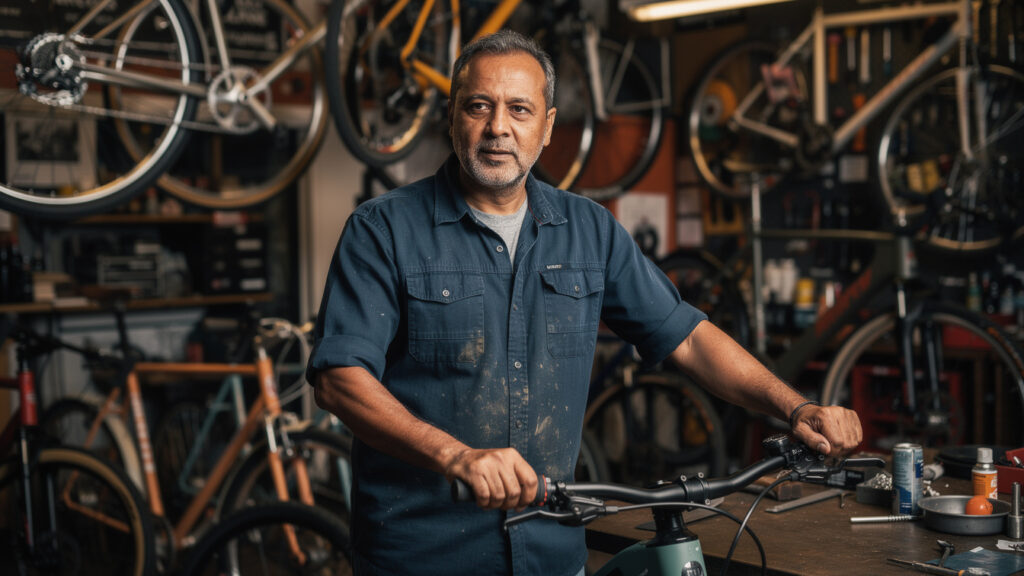

There’s a certain thrill that comes from being a bike shop owner in 2026, especially when discussing the rising trend of electric bikes. However, as exhilarating as it may seem, not every purchase made in this buzzing market comes without its regrets. I’ve learned that the journey of owning an electric bike is often a rollercoaster filled with highs, lows, and surprises. So, let’s delve into this tale of misjudgment.
Highlights
- 😞 Purchase Regret: A three-year-old e-bike purchase might not be the golden ticket it seemed.
- 💰 Hidden Costs: From maintenance to insurance, the true costs can add up quickly.
- 🔧 E-Bike Technology: Understanding these machines is crucial to avoid pitfalls.
- 🛠️ Customer Experience: Real stories from customers reveal the complexities of e-bike ownership.
Three years ago, the electric bike seemed like a miracle on two wheels. The buzz around e-bikes echoed through my bike shop, and customers were flocking to grab their latest gadgets. At the time, the allure of cutting through traffic without breaking a sweat was nothing short of intoxicating. However, as I stand here today, I can’t help but feel that acquiring my own e-bike may have been one of my biggest mistakes.
The Allure of E-Bikes: What Went Wrong?
Initially, the thought of owning an electric bike was thrilling. Imagine zipping past traffic, enjoying the breeze while minimizing carbon footprints. Yet, the reality bore little resemblance to that ideal. The first shocking revelation emerged with hidden costs that soon became apparent.
First off, the price tag on many e-bikes can feel excessive. I dove headfirst into the deep end, spending nearly $3,000 on a bike that promised the world. But here’s where the story takes a turn: once the shiny newness wore off, I began to encounter unforeseen expenses. Maintenance costs escalated faster than I anticipated. The allure of electric bike issues seemed to lurk around every turn.
- 🔋 Battery Replacement: Over time, the initial excitement faded as battery performance degraded faster than expected, leading to a hefty $400 replacement.
- 🔧 Bike Maintenance: Regular check-ups and repairs added up, costing me nearly $600 over three years.
- 🛠️ Insurance and Security: With theft rates soaring, insuring my e-bike became necessary, alongside purchasing hefty locks, pushing my total spend further.
As a bike shop owner, I knew the risks, yet the e-bike experience transformed my customer interactions. Many came in, gushing about their purchases, only to return weeks later, overwhelmed by the ownership complexities. Customer experiences reflected a pattern: excitement soon turned to confusion, and in some cases, outright regret. My own story mirrored theirs.
From Enthusiasm to Reality: Facing the Electric Truth
It wasn’t just about owning a fancy bike; it was about adaptation. My initial rides were thrilling, and I felt part of a movement that prioritized sustainability and convenience. Yet, those rides soon turned into a series of challenges. The heft of the bike became apparent—maneuvering through the city or carrying it up and down stairs was a daunting task.
Weather became another factor; while the bike was meant for year-round riding, I found myself questioning my decision every time the skies threatened rain. E-bike technology promised ease, yet my personal experience revealed its limitations. Cold winter days or sweltering summer afternoons often deterred me from my earlier ambitions to bike everywhere. Coupled with the fact that riding in inclement weather necessitated additional gear, my initial thrill dwindled, replaced by a nagging sense of regret.
Insights from Fellow Owners: A Shared Experience
I wasn’t alone in this rollercoaster experience. Many customers returning to the shop presented tales of their own regrets. Product reliability was often cited as a common frustration. While some brands delivered on durability, others faltered, leaving owners stuck in repair cycles. This led to an unexpected vulnerability; the excitement of being part of the e-bike revolution faced reality. Bicycle ownership had transformed drastically.
- ⚡ Battery Warranty Shortcomings: Many brands promised great performance, only to have their batteries underdeliver after just two years. 🚨
- 🧩 Lack of Knowledge: Customers expressed disappointment in the insufficient information provided about long-term care and maintenance. 📚
- 🔥 Maintenance Overload: Dealing with unexpected repairs led some to question if their investment would ever pay off. 💔
Navigating the Future: What’s Next?
Reflecting on my journey, the electric bike world seems ever-evolving, and innovations continue to reshape the market landscape. While I may have experienced significant regret, I also recognize that the experience has equipped me with invaluable knowledge about electric biking.
Educating customers on realistic expectations is now a priority. Encouraging potential buyers to weigh their options carefully before purchasing can mitigate many of the issues I faced. In the end, being armed with knowledge is as crucial as the bike itself.
Ultimately, while I cherish the moments spent with my electric bike, the encounter has taught me that ownership comes with lessons—lessons in budgeting, maintenance, and understanding products. Moving forward, a focused dialogue around the customer experience will remain paramount.
The rollercoaster of electric bike ownership is a journey many embark upon. It’s a tale filled with excitement, hurdles, and realizations—one that continues to unfold, teaching us lessons about investment, reliability, and, ultimately, our expectations as consumers. If the experience has taught me anything, it’s that knowledge, coupled with realistic expectations, shapes the success of any bike investment.