
Every January, as I brace against the winter chill, I’ve been reevaluating my home environment—specifically my windows. You see, I made a simple but impactful change: I adjusted when I open my windows for ventilation. The result? My heating bills dropped dramatically. This might sound like a minor tweak, but in terms of energy efficiency and cost reduction, it has been a game-changer.
Highlights
- 🌬️ Optimize ventilation in winter for lower heating bills.
- 🏠 Identify energy-efficient windows to enhance comfort.
- 💡 Regular maintenance of window seals greatly impacts efficiency.
- 📈 Understand the significance of thermal windows for temperature control.
Fun Fact: Did you know that windows can account for up to 30% of residential energy use in heating and cooling? Closing them wisely can save significant money on utility bills!
Why Window Management Matters in January
January is typically the month when heating bills soar as we crank up our systems to fend off the cold. However, many homeowners overlook the role their windows play in maintaining indoor temperature. It’s common to feel cozy when warm air is circulating, but passing through poorly insulated windows can escalate costs quickly.
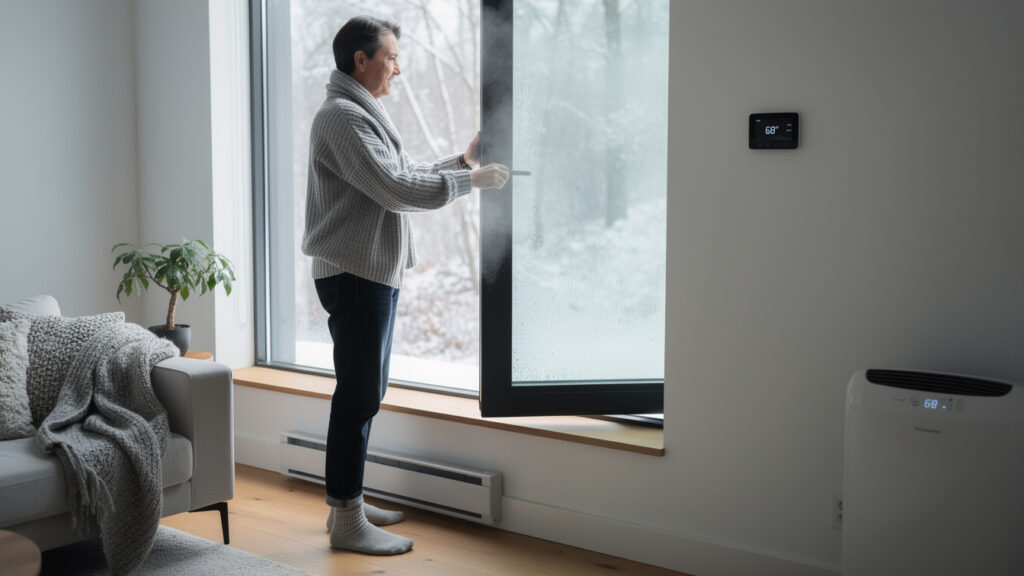
Before making my changes, I would open my windows in the afternoon when the sunlight streamed through, hoping to let some fresh air in without considering the outside temperatures. The results were dramatic: warm air escaped, and I suddenly noticed my heating system laboring unnecessarily. With old windows, particularly single-pane ones, this situation gets worse. With that realization came action. I began timing my window openings. Instead of cracking them open whenever I felt like it, I now check the outside temperature and the forecast—I only open when it feels right.
The Impact of Ignoring Window Insulation
Many residents of aging homes discover that their windows are a source of energy loss. How do I know this? Because I experienced it firsthand. When a home isn’t sealed properly, leaks form around the frame as materials expand and contract. Warm indoor air escapes, and cold air invites itself in. This was evident when I periodically sensed drafts in certain rooms.
Factors that contribute to poor window insulation include:
- 🔧 Worn-out weather stripping: Old seals allow air leaks.
- 🪟 Single-pane glass: Lacks insulation against temperature changes.
- 🥴 Damaged glass: Foggy, cloudy panes signal a failed seal.
Therefore, when I went through these issues with new windows in mind, my approach shifted. The key to energy savings lies in my choice to either invest in thermal windows or diligently maintain the existing ones. Going forward, it’s all about knowing when to harness the environment.
Modern Solutions for Energy Savings
In the quest for energy savings, I’ve come to appreciate the modern technologies behind window design. Innovations such as double or triple-pane glass, combined with Low-E coatings, drastically change how windows work in the winter months. They help in reducing heat gain while still letting natural light flood in, which I once thought was impossible.
While contemplating these upgrades, it’s essential to check for specific energy metrics. The U-Factor measures the rate of heat transfer through the window. A lower U-Factor indicates better insulation properties. Meanwhile, the Solar Heat Gain Coefficient (SHGC) tells you how much solar radiation enters your home. Understanding these metrics helped me make informed decisions about which windows to consider for future replacement.
Maximizing Your Home’s Comfort and Efficiency
After adopting a more strategic approach to opening my windows, along with making long-term efficiency investments, I found my home’s comfort improved significantly. Now, I monitor temperature differences, ensuring my home doesn’t become a drafty fortress in winter. Each action—be it adjusting opening times or maybe even planning for modern replacements—directly correlates to lower heating bills and enhanced comfort.
Here’s what I learned about maintaining my windows:
- 🔍 Schedule regular inspections to check for signs of efficiency loss.
- 🧰 Repair weather stripping or caulking as needed to avoid air leaks.
- 🌱 Consider energy-efficient upgrades if your windows are over 20 years old.
Ultimately, taking control of when and how I open my windows this January has positioned me to breathe easier—both literally and financially. Knowing the balance of warm indoor air against the bone-chilling outdoor temperatures is invaluable, offering peace of mind when that next bill arrives. It’s a no-brainer that wise choices translate into significant savings, transforming the chill of January into a breeze.