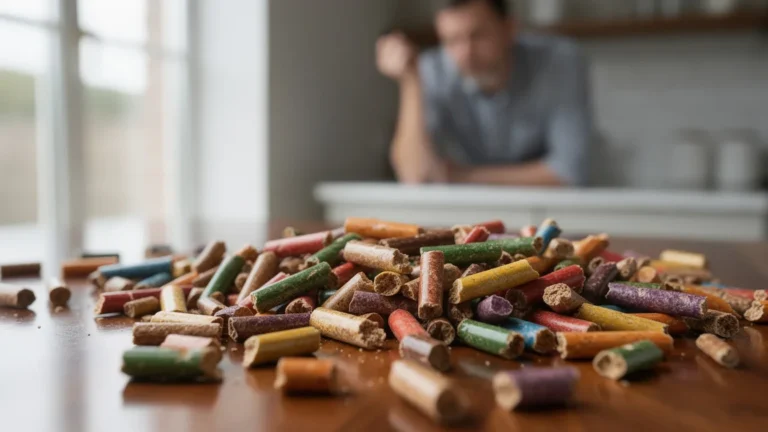
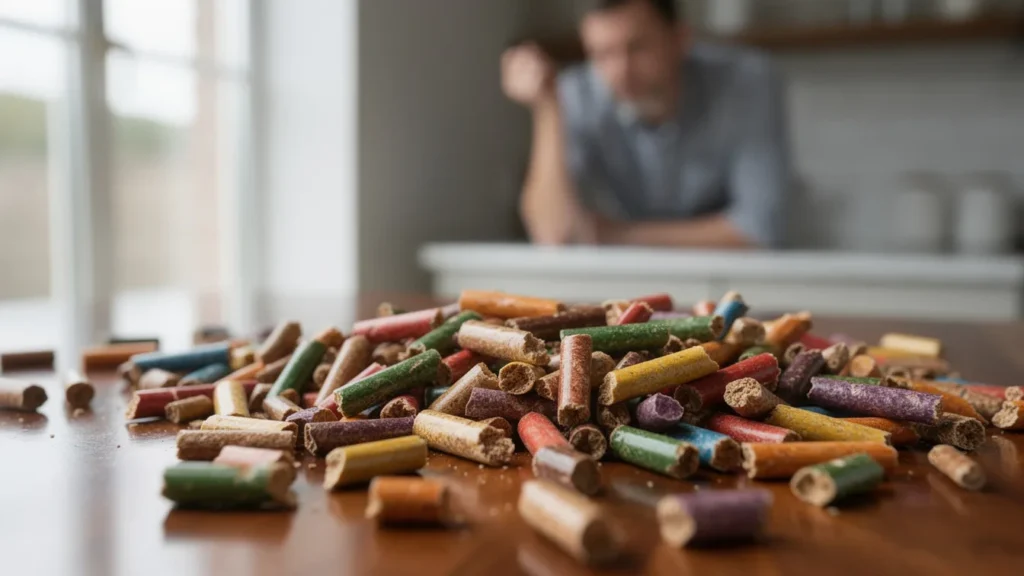

As the winter chill settles in, many of us are reaching for the reassuring warmth of wood pellets. But amidst the comfort they provide, there’s a little-known *costly mistake* regarding leftover wood pellets that you need to be aware of. Not all sellers are transparent about it, and you may unknowingly be setting yourself up for *energy loss* and wasted money. Let’s dive in.
Highlights
- 💡 Understanding the effects of *improper storage* on your leftover wood pellets.
- 🔍 Tips to ensure you avoid *waste* and maximize your investment.
- 💰 Insight into *customer deception* by sellers regarding leftover pellets.
Did you know that improperly stored wood pellets can lose their effectiveness and lead to burning inefficiencies? It’s a hidden disaster that many homeowners overlook!
The Hidden Costs of Leftover Wood Pellets
One cold evening, I found myself staring at a half-full bag of wood pellets leftover from last winter. Like most, I thought it was a straightforward fuel. What I learned was shocking—leftover pellets can easily become a *costly mistake*. These products, if not stored correctly, can absorb moisture, which leads to a soggy mess that won’t burn. If you’re looking to save a few quid, be wary; *sellers* might not be keen on highlighting this risk.
According to recent studies, wood pellets are *hygroscopic*, meaning they absorb moisture from the air. Leftover pellets can degrade to the point of being unusable. *Imagine* shivering on a cold night where the wood in your stove refuses to ignite. That’s not just inconvenient; it’s a waste of money! Knowing how to store these remnants properly can significantly reduce your *energy loss*.
Proper Storage Techniques
So, how do we ensure our wood pellets are preserved in tip-top shape? Here’s where my winter wisdom kicks in. Keeping them indoors is your *best bet*. If you have a basement with a dehumidifier, it’s the ideal spot. If that’s a no-go, consider a laundry room—just steer clear of any heat sources, as that can cause unwanted degradation.
For outdoor storage, there are a few tricks you need to know:
- 🌦️ Always use pallets to keep the pellets off the ground to avoid moisture seeping in.
- 🌧️ Cover your stacks with a waterproof tarp. Sunlight can degrade their packaging, so a silver tarp is a wise choice as it reflects UV rays.
- 🏡 Find a sheltered area like under a porch to shield from rain runoff.
By implementing these *practical tips*, you can significantly improve the longevity of your wood pellets and reduce unnecessary dumpers.
The Financial Impact of Ignoring Storage
Let’s sit down for a moment. Picture this: you buy what seems like a good deal on wood pellets. But after a few months of improper storage, you discover they’re worthless. It’s a classic case of *overpricing* due to lack of knowledge. By ignoring how you store leftover pellets, you’re not just wasting *fuel*; you’re also wasting your hard-earned cash.
Research has shown that stored pellets can last one to two years if kept well. But if they’ve absorbed moisture? Their lifespan could drop to mere months, costing you even more in terms of replacements. It’s essential to educate ourselves; the hidden information from sellers might not always be in our favor.
Anecdotes from Other Pellet Users
Talking to friends who’ve made the same mistake, I found that many had empty pockets and cold homes. One friend, Dave, learned the hard way last winter. He thought he could save money by buying in bulk, but when he opened a bag filled with mushy pellets, he realized he had been duped. Not only did he face *customer deception*, but he also had to shell out more money mid-winter for fresh pellets. It reminded me that understanding proper storage should be at the top of our *to-do list* every winter.
Take Action to Prevent Waste
Feeling empowered? You should! Start by checking your *storage options* now. Reach out to your local suppliers and ask how they suggest storing leftover pellets. Knowledge is power, and it’s your duty to ensure you’re not falling prey to avoidable *waste*.
Also, consider sharing this information with friends and family. They can benefit from your newfound wisdom and save themselves from potential mishaps. Let’s foster a community that thrives on smart choices—one where our leftover wood pellets don’t become the butt of a costly joke.
Remember, keeping our pellets in excellent condition not only helps with warmth but makes our homes more energy-efficient. By staying aware of the *hidden costs* and following best practices, we can enjoy all the benefits wood pellets have to offer.