
Imagine stepping into your backyard and being greeted by the cheerful melodies of singing birds, bright splashes of color flitting among the trees, and a sense of harmony that only nature can provide. With the right approach, you can create a vibrant bird sanctuary using just three household kitchen scraps. Doesn’t that sound incredible? Not only will you be enriching your local ecosystem, but you’ll also gain a front-row seat to nature’s most enchanting show. Let’s dive into how you can turn your outdoor space into a haven for feathered friends, all while being eco-friendly and resourceful.
Highlights
- 🌱 Transform kitchen scraps into natural bird food.
- 🐦 Create diverse feeding stations for varied bird species.
- 💧 Install simple water features to attract birds all year round.
- 🌼 Select native plants for shelter and food sources.
Did you know that over 50 million birds in the UK have already adapted to urban settings? Giving them a welcoming backyard can significantly enhance their survival!
Using Kitchen Scraps to Attract Birds
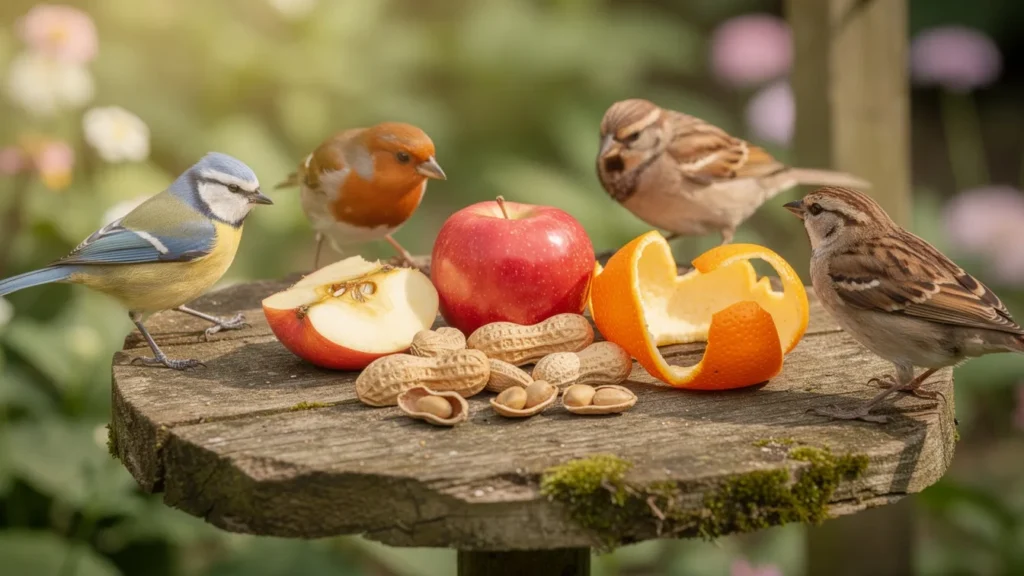
First off, let’s talk about kitchen scraps. Think banana peels, apple cores, and stale bread. You might be surprised to learn that these scraps can serve as a fantastic natural bird food! On my own quest to enhance my backyard, I discovered that the birds crave fruits rich in sugars and nutrients. For instance, you can chop up apple cores and scatter them on the ground to attract Sylvia Warblers or finches.
Banana peels are not just trash; they’re a goldmine of potassium that attracts various bird species. Sprinkle them alongside sunflower seeds for a delightful buffet. Let’s not forget old bread! Crusts can be spread on a platform feeder—birds simply love it. Just be sure to use whole-grain options without preservatives whenever possible.
Creating Diverse Feeding Stations
Now that your kitchen scraps are ready, think about how you can set up different feeding stations. Variety is key to attracting a diverse range of backyard birds. Consider using tube feeders for smaller songbirds like juggernaut chickadees and finches. These feeders allow the birds to cling on and nibble without fear of larger species swooping in.
Then, platform feeders can serve as vibrant buffet tables for larger members of the avian family like jays and doves. If you’re adventurous, a suet feeder can attract woodpeckers—you’ll love watching them clamber around. Keep these feeders clean and well-stocked; a popular dining spot will have your garden bustling with life!
Water Features: Quenching Their Thirst
Another crucial element of a bird sanctuary is water. Birds need a reliable water source for drinking and bathing, especially during warmer months. A simple birdbath can do wonders. I installed a shallow one filled with fresh water and added pebbles for perching. Regularly changing the water is essential—stale water won’t do.
For an added touch, consider installing a small fountain. The gentle trickle of water not only attracts birds but also adds a serene vibe to your garden. A soothing sound can make your space feel more alive and inviting! Even placing shallow dishes of water around will ensure smaller birds have access to hydration.
Incorporating Native Plants
To round off your bird sanctuary, consider planting native shrubs and flowers. These plants not only provide food but also offer shelter from predators. Dense foliage allows birds to hide and build nests. For example, I’ve planted elderberries and serviceberries which attract various birds while acting as natural barriers.
Don’t overlook flowers like sunflowers and black-eyed Susans, which are fantastic for attracting finches and butterflies alike. Native plants require less maintenance and thrive in your local climate, making them the perfect choice for sustainable gardening.
Embrace Your Avian Neighbours
Why not get started today? Embrace your inner bird enthusiast and watch as your garden transforms into a hub of avian activity. Be patient, keep your feeders clean, and enjoy the beauty of nature right outside your window! Your journey doesn’t need to end here. Keep exploring ways to enhance your backyard and connect with wildlife. Stay tuned for more tips on creating sustainable gardens and aspiring wildlife habitats. *Disclaimer: This article is for general informational purposes only and does not replace professional advice. Information may change over time.*